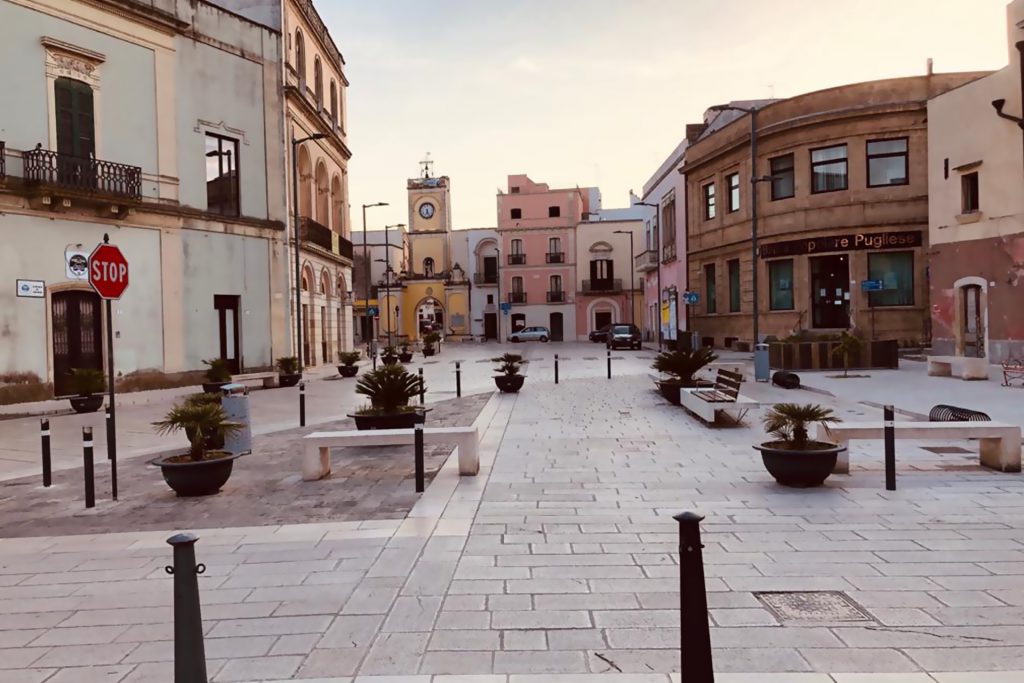
The center of Greek-Byzantine origin, originated in the 9th century. It was later subjected to Roman rule. After the rule of Tancredi of Lecce, the Norman, Aradeo was granted as a fief to the Montefusco family, from which it passed first to the Orsini del Balzo and then to the monastery of Santa Caterina d’Alessandria of Galatina.
Il nome Aradeo deriverebbe secondo lo storico Giacomo Arditi dai termini latiniara, araeovvero “altare” eDeiche significa “di Dio”. Studi più recenti, ad opera del prof. Gino Pisanò, fanno derivare il nome dal grecocharadreonche significa “luogo solcato da torrenti”. Quest’ultima ipotesi è avvalorata dalla presenza di numerosi torrenti sotterranei dovuti alla carsicità del terreno.
Between the 13th and 14th centuries AD it was the seat of an important philosophical school, engaged in an intense activity of copying and commenting on Aristotelian texts, which arose around the poet Droso of Aradeo. But Aradeo has never stopped spreading art and culture in the land of Puglia. Only in the twentieth century were musicians such as Pino Zimba, the Après la Classe, Emma Marrone, Romeus, Gabriele Blandini born or raised here; theatre groups such as the Cantieri Koreja company, dancers such as Antonio Carallo, who worked for years with Pina Bausch, filmmakers such as Giovanni Minerba, director of the GLBT film festival of Turin. Even Domenico Modugno, to whom the municipal theatre is dedicated, spent his youth in Aradeo
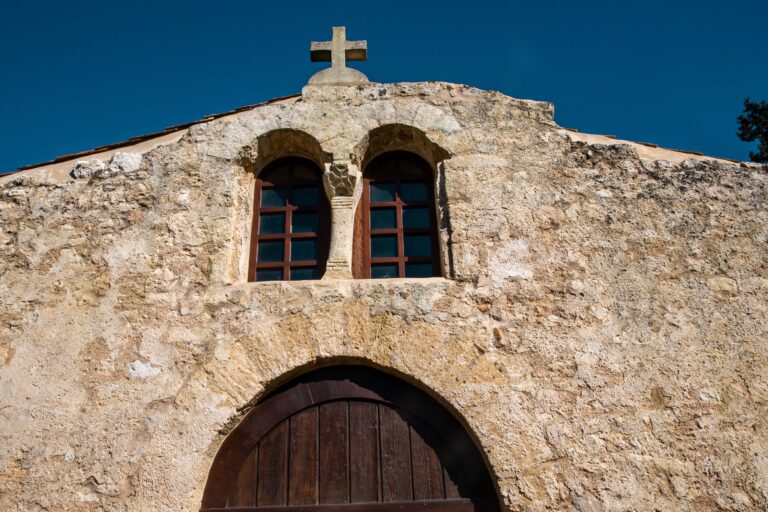
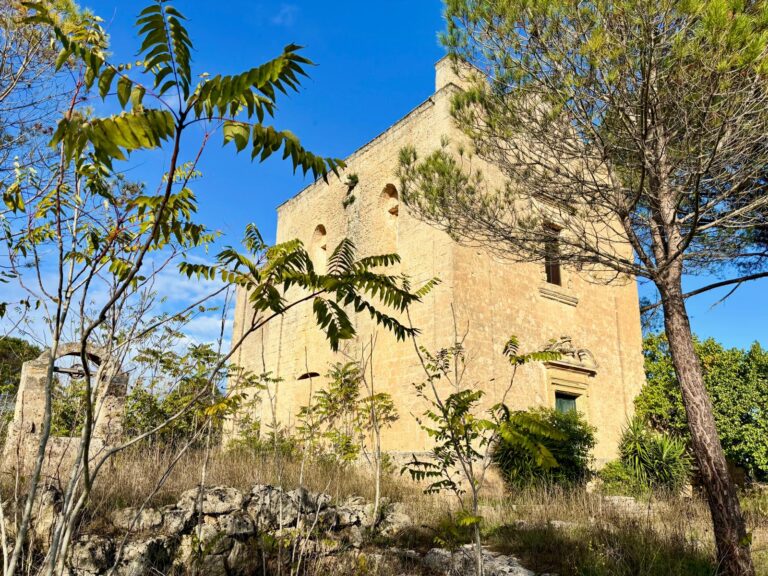
Tra l’arte architettonica-monumentale, degna di nota è la Chiesa dell’Annunziata, edificata nel 1450 e successivamente rimaneggiata, dotata di un altare maggiore in stile barocco adorno di colonne tortili (cioè attorcigliate in spire lungo l’asse verticale). Pregevole anche il palazzo baronale de leTre Masserie, del XVI secolo, nelle cui vicinanze svetta una colonna votiva dedicata a San Giovanni Battista eretta tra la fine del XVII e l’inizio del XVIII secolo.
Don’t miss the Carnival rites and the festival dedicated to SS. Annunziata, on March 30. In addition, the traditional livestock fair is held on the second Sunday of May to celebrate the feast of the protector of Aradeo, San Nicola, and in the evening the characteristic procession of the Saint on a papier-mâché boat to commemorate his journey from Myra to Bari. Finally, on August 16 and 17, every year, the festival of San Rocco is held, in whose honor the streets and courtyards are tinged with gold with the typical lights and people dance to the rhythm of the pizzica.