Andrano, the Carbonari village steeped in mysteries
Situato sul versante sud-orientale della provincia di Lecce, Andrano comprende un breve tratto del litorale adriatico, la frazione di Castiglione d’Otranto e la località
- Editorial Staff

Located on the south-eastern side of the province of Lecce, Andrano includes a short stretch of the Adriatic coast, the hamlet of Castiglione d’Otranto and the coastal town of Marina di Andrano. Since 2006 it has been home to the Parco Costa di Otranto – Santa Maria di Leuca e Bosco di Tricase, established by the Puglia Region with the aim of safeguarding the architectural heritage and the animal and plant species of the eastern coast of Salento.
Le origini di Andrano sono da ricondurre agli attacchi dei vandali e dei barbari nel V secolo, che portarono alla distruzione di molti villaggi, tra i quali Casal Cellino, dalle cui rovine nacque l’attuale insediamento urbano. Secondo la ricostruzione dello storico Giacomo Arditi l’abitato assunse il nome Andrano in onore di Sant’Andrea apostolo, eletto patrono in quanto protettore dei pescatori, che rappresentavano la principale attività del piccolo centro.
Nel periodo feudale il casale viene assegnato ai De Curla, poi ai Rossi e ai De Castelli. Nel XIV secolo viene acquistato dai Sambiase e poi ceduto ai Capece. Nel XV secolo è la volta dei De Hugot e, successivamente dei De Castillo, degli Orsini-Del Balzo, dei Borbone. Nel 1481 passa a Giovanni Antonio Saracino, come premio per la sua partecipazione alla liberazione di Otranto. Poi, nel 1606, il feudo viene rilevato dagli Spinola, ai quali subentrano, nel 1660, i Gallone e, infine, i Caracciolo.
In the first twenty years of the 19th century, at the time of the Bourbon domination, the sect of the Filadelfi was active in the town, led by the notary Francesco Saverio Riccio and by Father Gaspare, a secret society of the Carbonari type which in that period became the governmentde factodel paese.
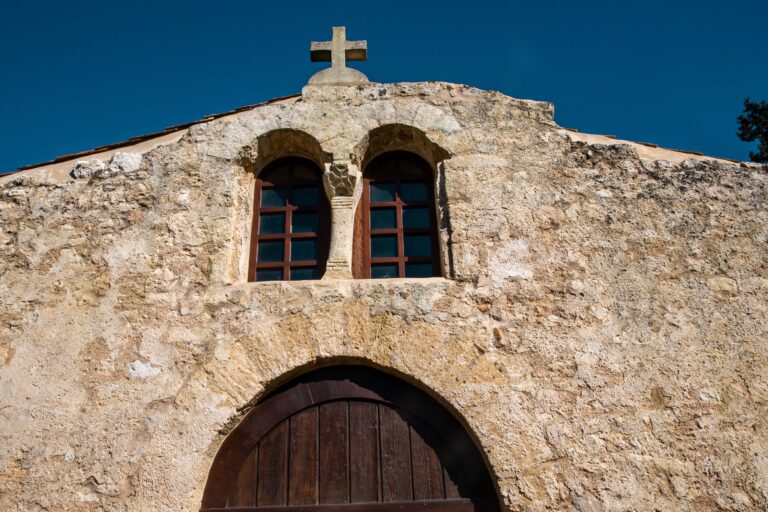
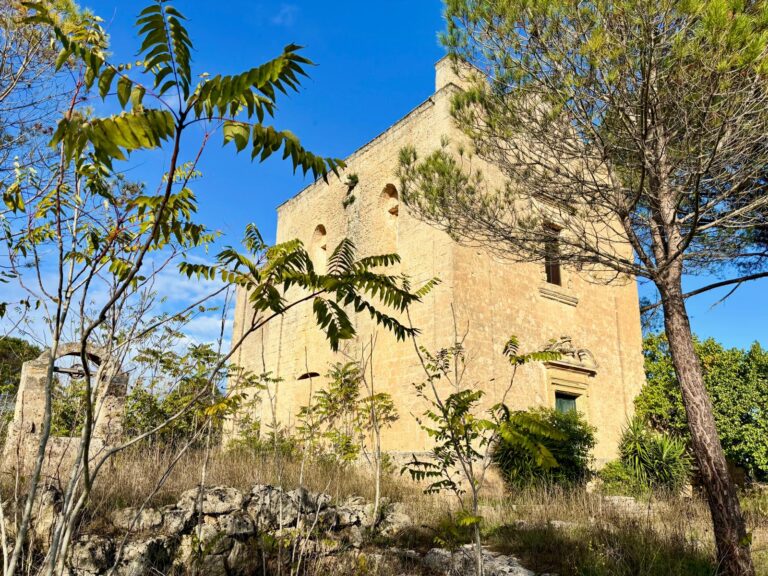
Among the most important monuments are the Mother Church of Sant’Andrea Apostolo, built in 1741, which stands on the remains of the ancient Chapel of Santa Lucia, from 1489; the church of San Domenico, built in 1561, which instead stands on the remains of a building erected in 1486 by the Saracinos to house the remains of Giovanni Antonio Saracino della Torrella, killed by the Turks in the siege of Otranto, and which preserves a Baroque-style high altar with a fifteenth-century fresco depicting the Madonna delle Grazie intent on repelling the attacks of the Saracens; the ancient Basilian convent of Santa Maria d’Amito, near which stands the Chapel of the Madonna di Attarico, from the fifteenth century, and a Byzantine crypt decorated with frescoes; the Spinola-Caracciolo Castle, one of the most interesting and well-kept castles in the south-east of Otranto, dating back to the thirteenth century.
Although the patron saint is Sant’Andrea Apostolo, the main and most attractive festival in the town is the one in honor of the Madonna delle Grazie, which takes place on the first weekend of August.