Manduria è una città della provincia di Taranto di quasi 30mila abitanti. Il suo nome potrebbe derivaredall’albero di mandorlo, che è da sempre presente nelle campagne circostanti, oltre che sullo stemma della città.
Founded by the Messapians, it still bears numerous testimonies of its past, including the megalithic walls, surrounded by the remains of the moat that surrounded the city, and the necropolis.
Affrontò varie guerre con la vicina Taranto, durante una delle quali trovò la morteArchidamonel 338 a.C., re di Sparta, alleato dei Tarantini.
Around 266 BC, Manduria became part of the Roman dominions together with the other Messapian centers of Salento, following the capture of Brindisi. During Hannibal's descent into Italy, Manduria sided with the cities rebelling against Rome and for this reason the repression was very harsh: historical sources report the deportation of thousands of men. The Via Traiana Sallentina passed through Manduria.
Destroyed in the following centuries by the Saracens, it was refounded in the 11th century with the name of Casalnuovo, only partially occupying the old city of Manduria.
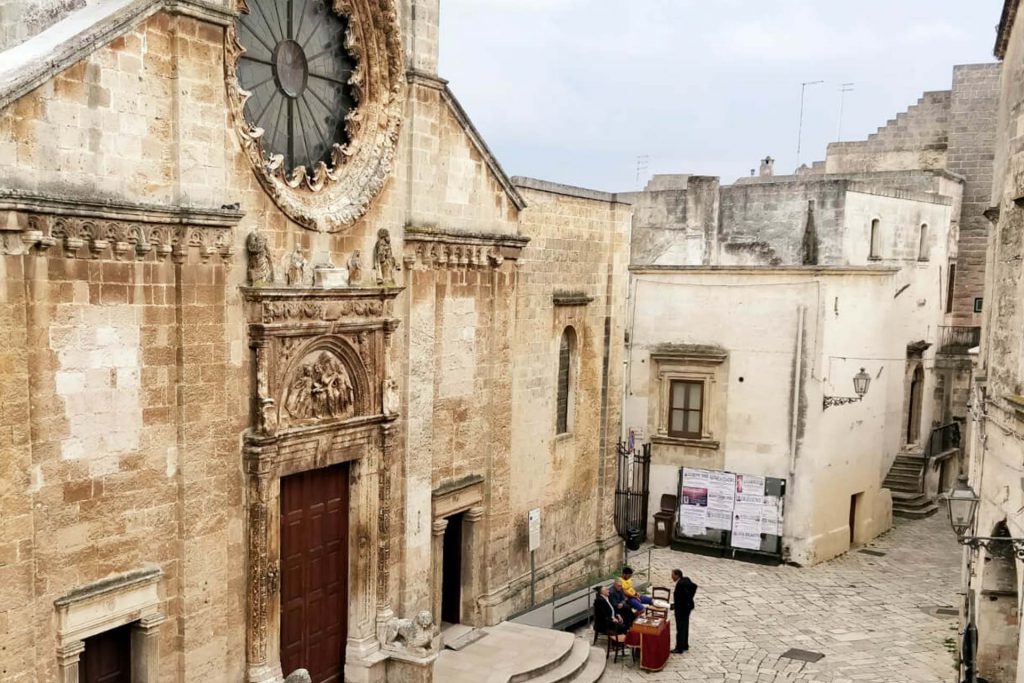 ]
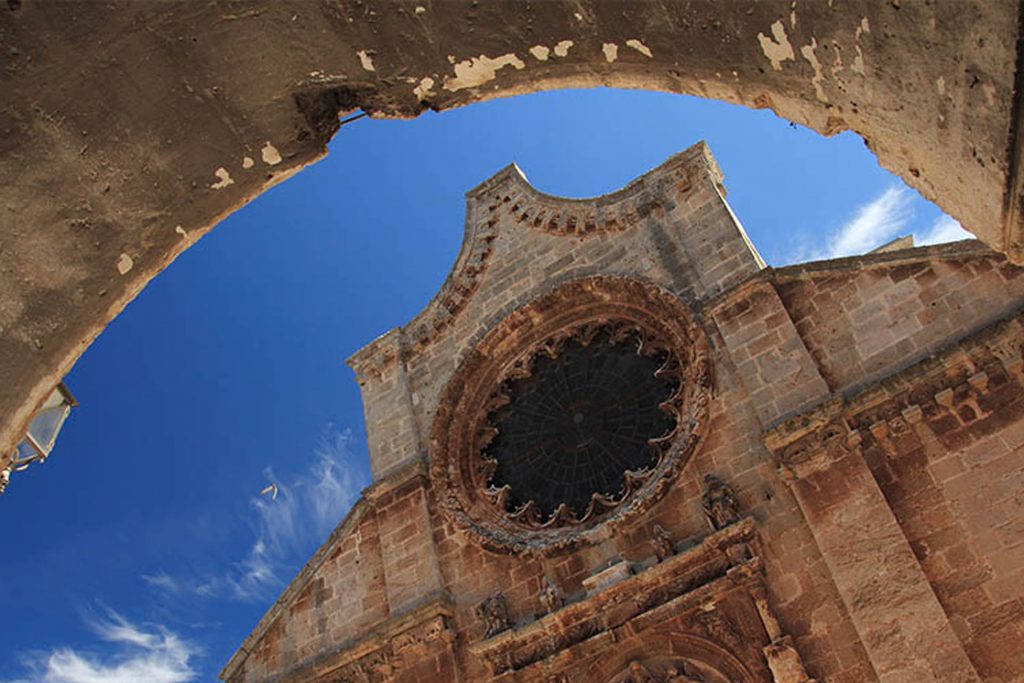
The Mother Church or Collegiate Church, dedicated to the Holy Trinity, is certainly the most notable church in the city, in Apulian Renaissance style.
The original building, certainly attributable to the Norman era, was smaller than the current one and probably occupied the area of today's presbytery. The surviving witnesses of the original structure are almost certainly the two stylobate lions placed on the sides of the portal. The façade, in the upper part, highlights a Romanesque rose window which, together with the magnificent portal, is the work of the master Raimondo da Francavilla (1532).

The majestic presbytery has a beautiful choir. The high vault is framed by rich cornices. The elegant apse is enriched by 14 statues in gilded Lecce stone.
There are numerous altars and a very rich pictorial collection. The whole is brought to perfection by the splendid wooden Pulpit of 1608, considered among the most brilliant works of Apulian art.
Walking through the historic center of Manduria is a true discovery and wonder. There are over forty churches, and each one surprises with its architectural poetry and the synthesis between style and function.
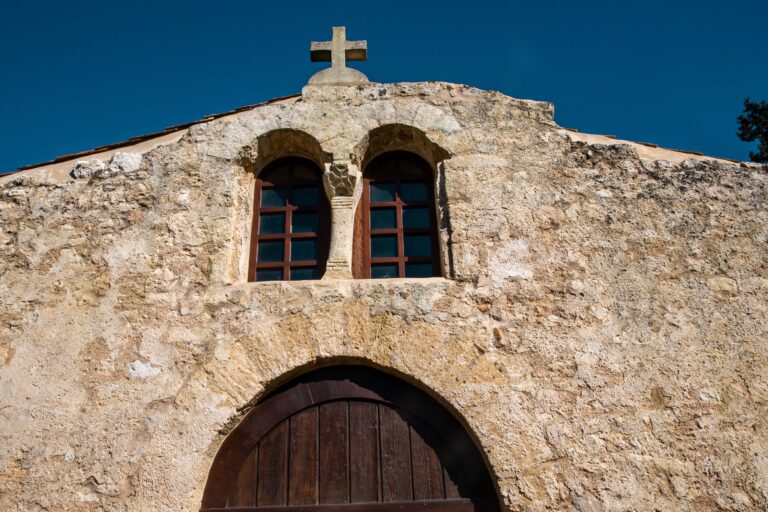
The most interesting are the Church of the Rosary, the one dedicated to San Francesco, then San Cosimo, San Leonardo and the one of the Santo Spirito.
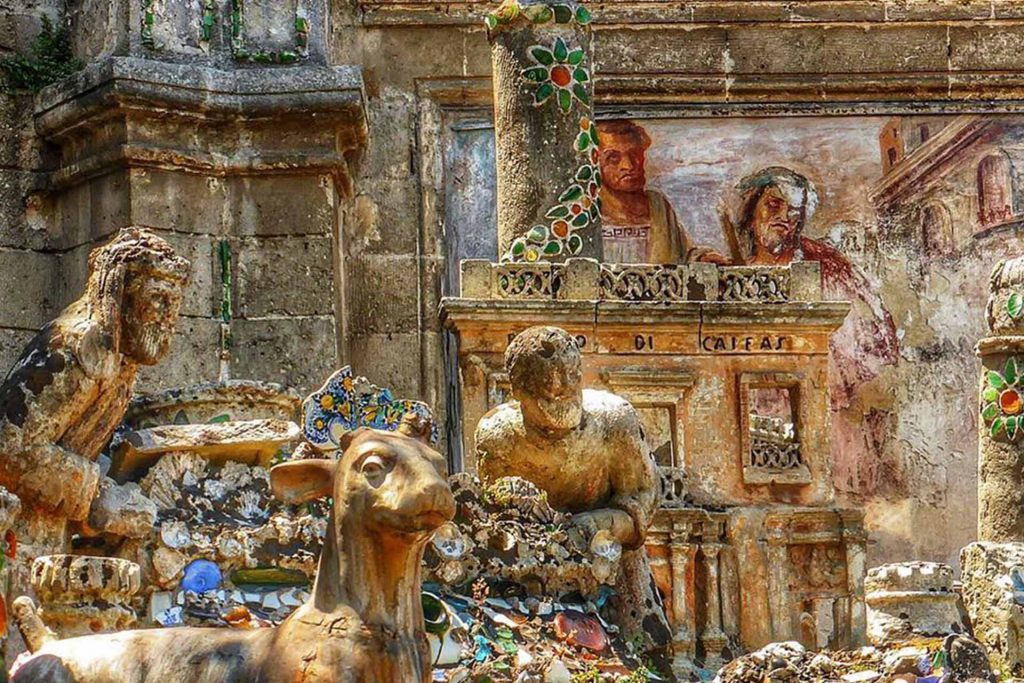
Le intricate vie del centro storico si snodano fra le principali piazze della città. Sul corso XX settembre si trova ilmuseo archeologico, mentre in piazza Vittorio Emanule II si può ammirare lo stramboCalvario, frutto del genio di Giuseppe Renato Greco.