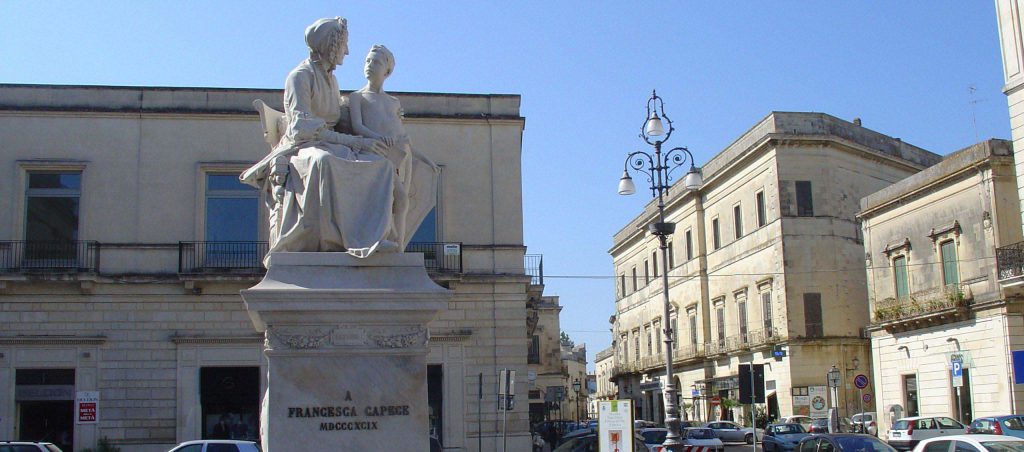
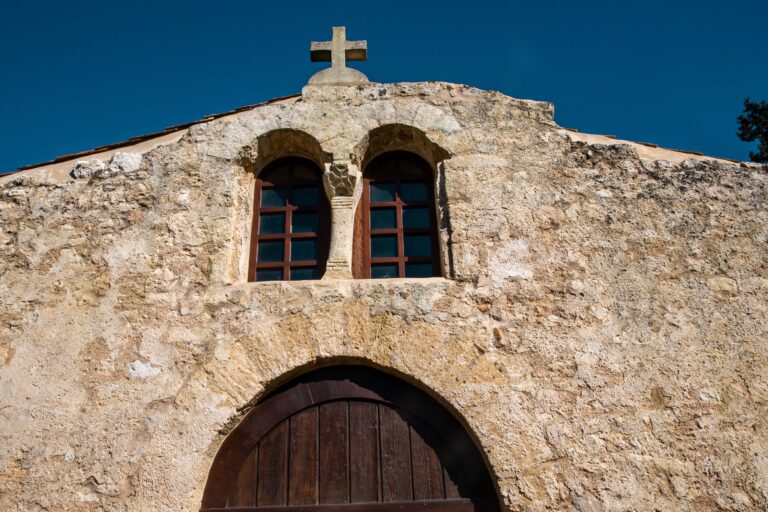
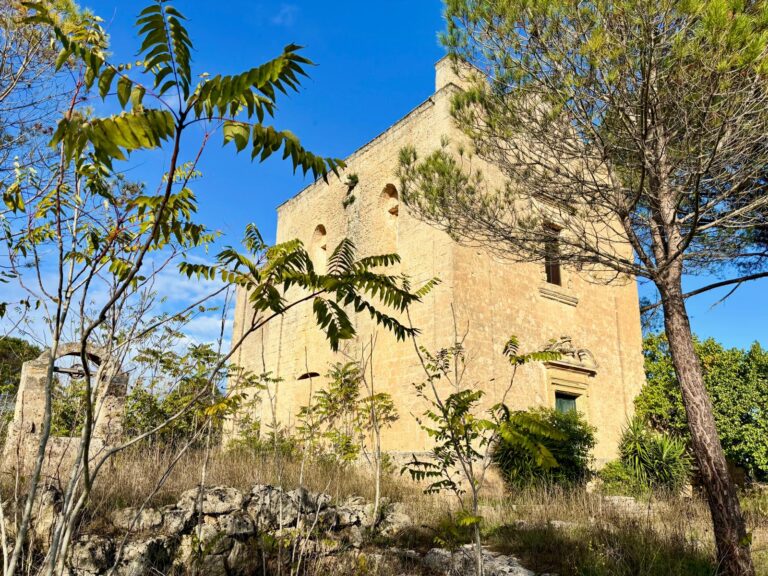
The city of Maglie, thanks to its central geographical position, which sees it on the Otranto-Gallipoli axis, on one side, and Lecce-Leuca, on the other, has been for centuries a very important crossroads and hub for the economy of these lands, to the point of becoming the nerve centre
From the seat of a fervent and valuable craftsmanship it has become, since the second half of the 20th century, one of the richest and most varied commercial centers in Italy. The streets of Maglie alternate with sacred and civil architecture of extraordinary interest, precious examples of the Lecce Baroque built between the 16th and 18th centuries.
Via Roma, the city’s main street, connects the central square dedicated to the illustrious citizen Aldo Moro, a few steps from his birthplace, to the Parco della Rimembranza, which houses the Monument to the Fallen and the Church of the Saints Cosma and Damiano. In the middle of Via Roma are the city’s oldest churches.
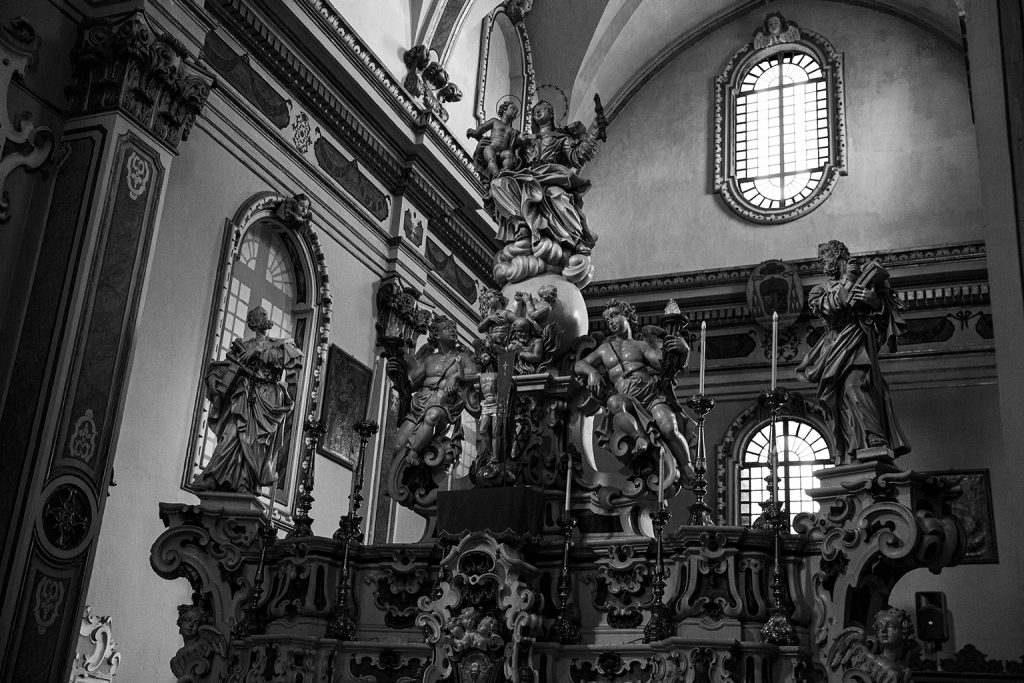
Il Duomo, conosciuto anche come la Chiesa della Collegiata, risale alla fine del XVIII secolo ed è dedicato a San Nicola. È sormontato dal grande campanile a cinque piani, il secondo per altezza della provincia, dopo quello del capoluogo leccese, che svetta in piazza Duomo.All’interno si conserva un altare maggiore dedicato alla Madonna della Misericordia (qui in foto)
The Church of the Madonna delle Grazie, built in the 16th century in Baroque style, overlooks the Column of the Madonna delle Grazie, 15 metres high and modelled on the more famous column of Sant’Oronzo in Lecce.
The sixteenth-century Church of Santa Maria della Scala, the oldest in the town, is located on a side street of Via Roma (Via Ospedale). All within walking distance.
In Maglie there are also examples of particularly valuable civil architecture, today the headquarters of important institutions. Palazzo Capece, in Piazza A. Moro, is home to the historic and prestigious Classical High School.
Palazzo Sticchi, in via V. Emanuele II, ospita la più antica biblioteca pubblica di Puglia (nonché una delle più antiche del Mezzogiorno, fondata nel 1666 dall’arciprete Francesco Piccinno, a cui è intitolata) e al contempo il Museo Civico di Paleontologia e Paletnologia “Decio de Lorentiis”. Palazzo Piccinno, ancora in via V. Emanuele, racchiude il Museo dell’archeologia industriale.